The real question is: what kind of childhood does this room make possible?
The Childhood Space helps families, nurseries, and the people who build for children design spaces around how children actually live, not adult taste.
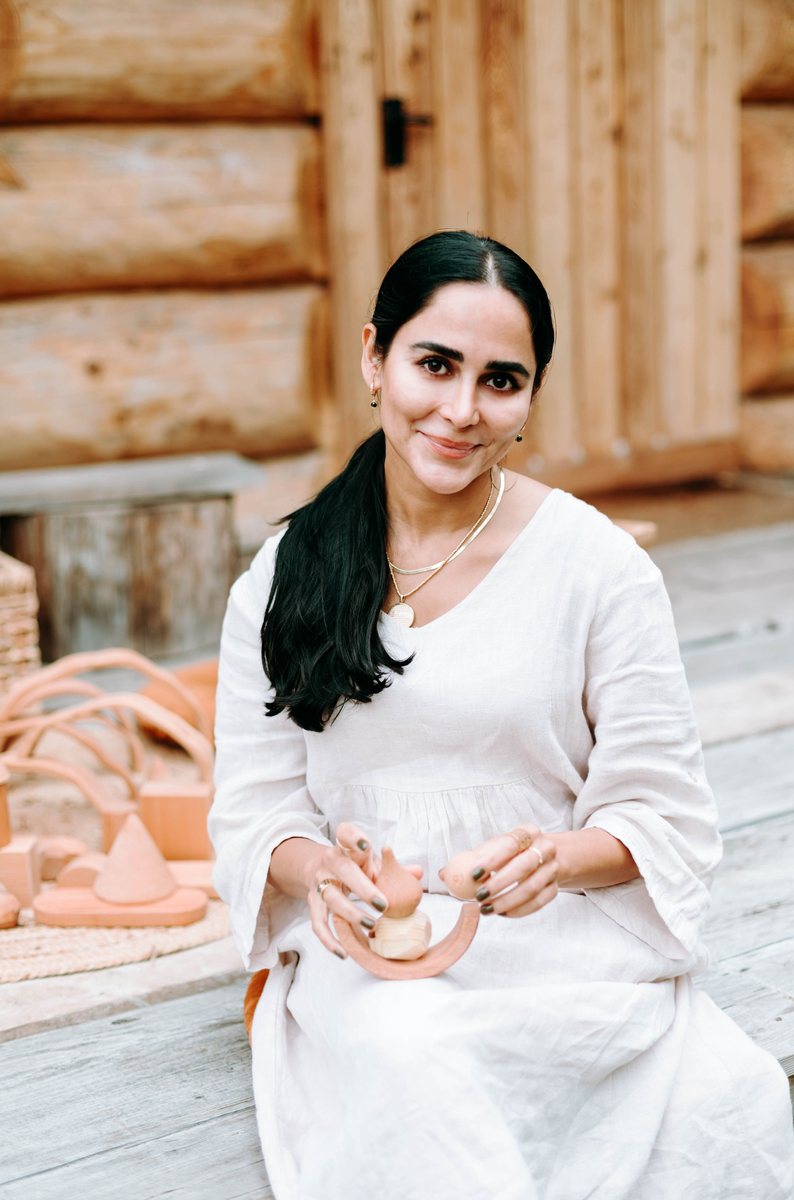
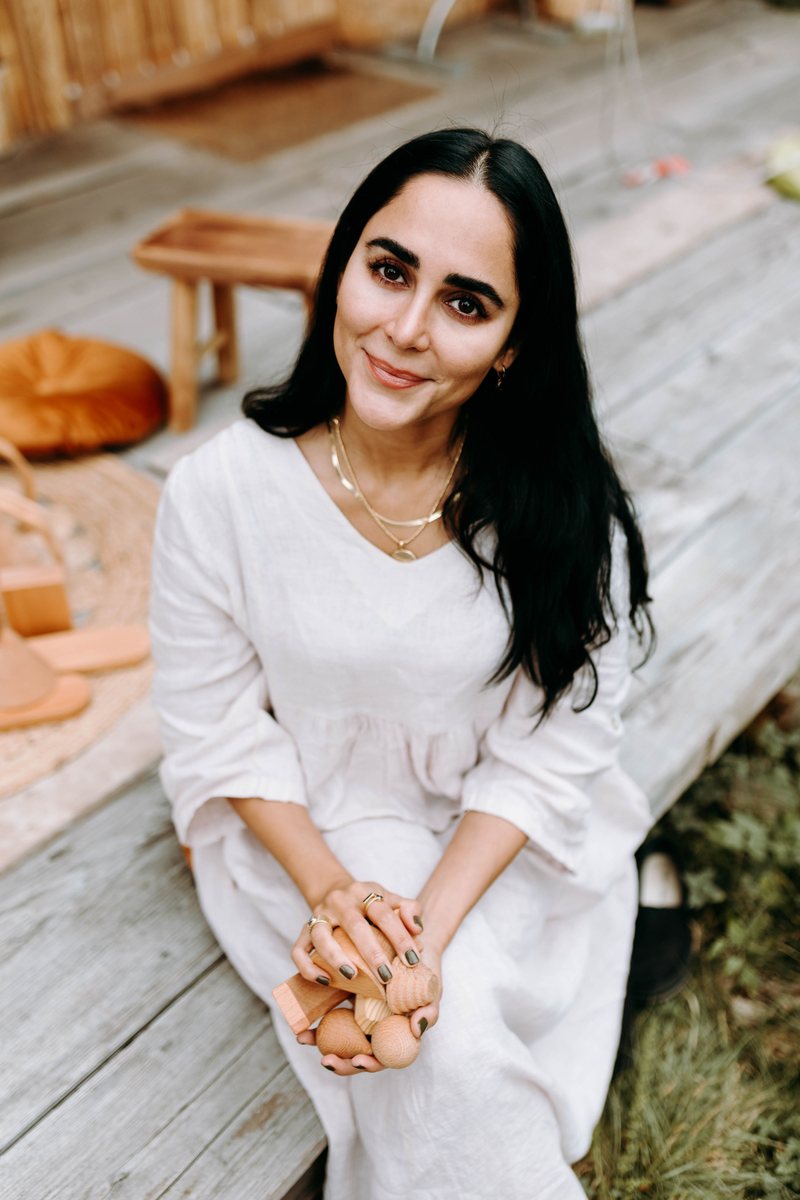
Led by Teama Sadeghi · PhD candidate, Early Childhood Education, University of Edinburgh

Almost none asks what it feels like from a child's height, body, and day. That shift, from how a room looks to what it lets a child do, is the whole of this work.
A beautiful room is not automatically a good one. The question that matters is what the space makes possible, to move, to reach things without help, to retreat, to make and make a mess, to feel they belong.
Every child-responsive space should be able to answer yes to five questions. It's how I read any room for children, a practitioner framework grounded in Froebelian and spatial research.
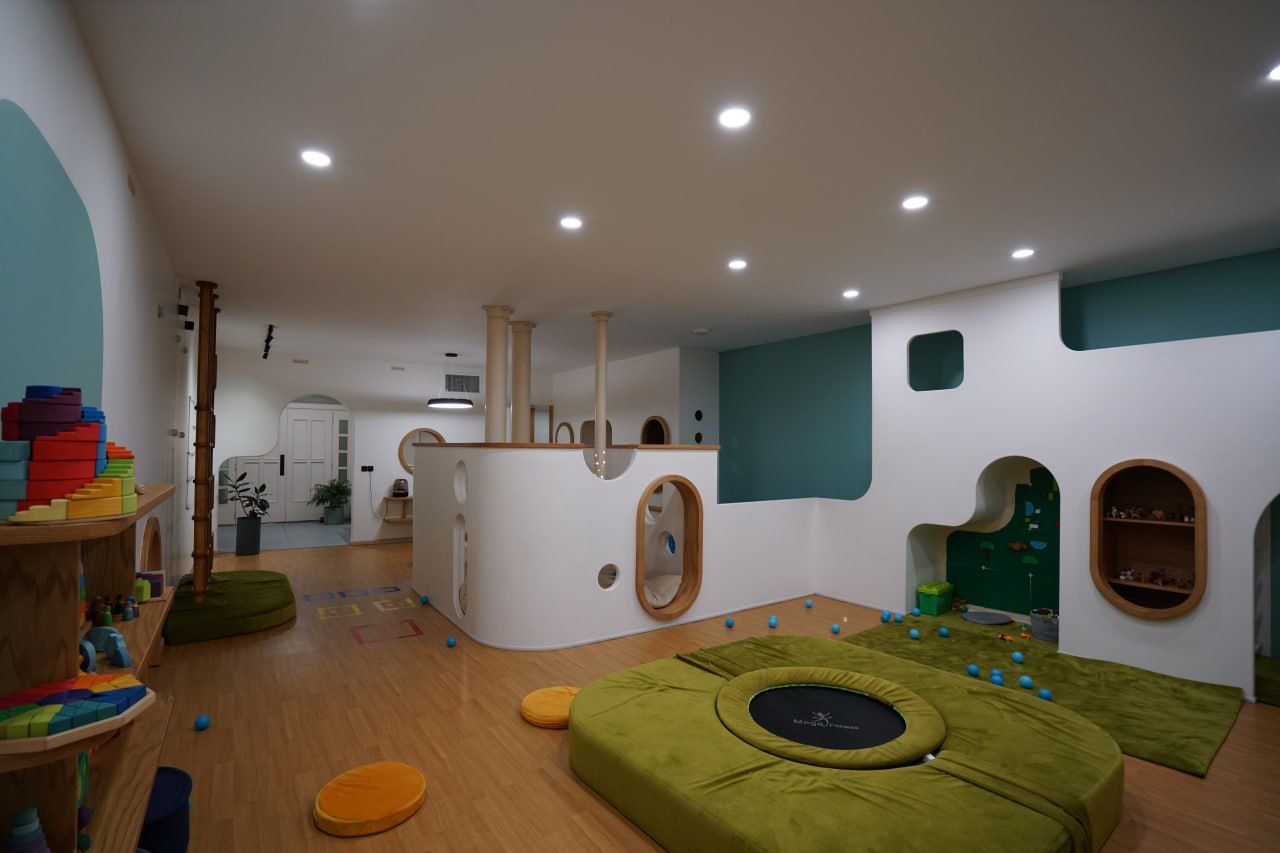
Is there room for the body, not just the furniture? Children think through movement.
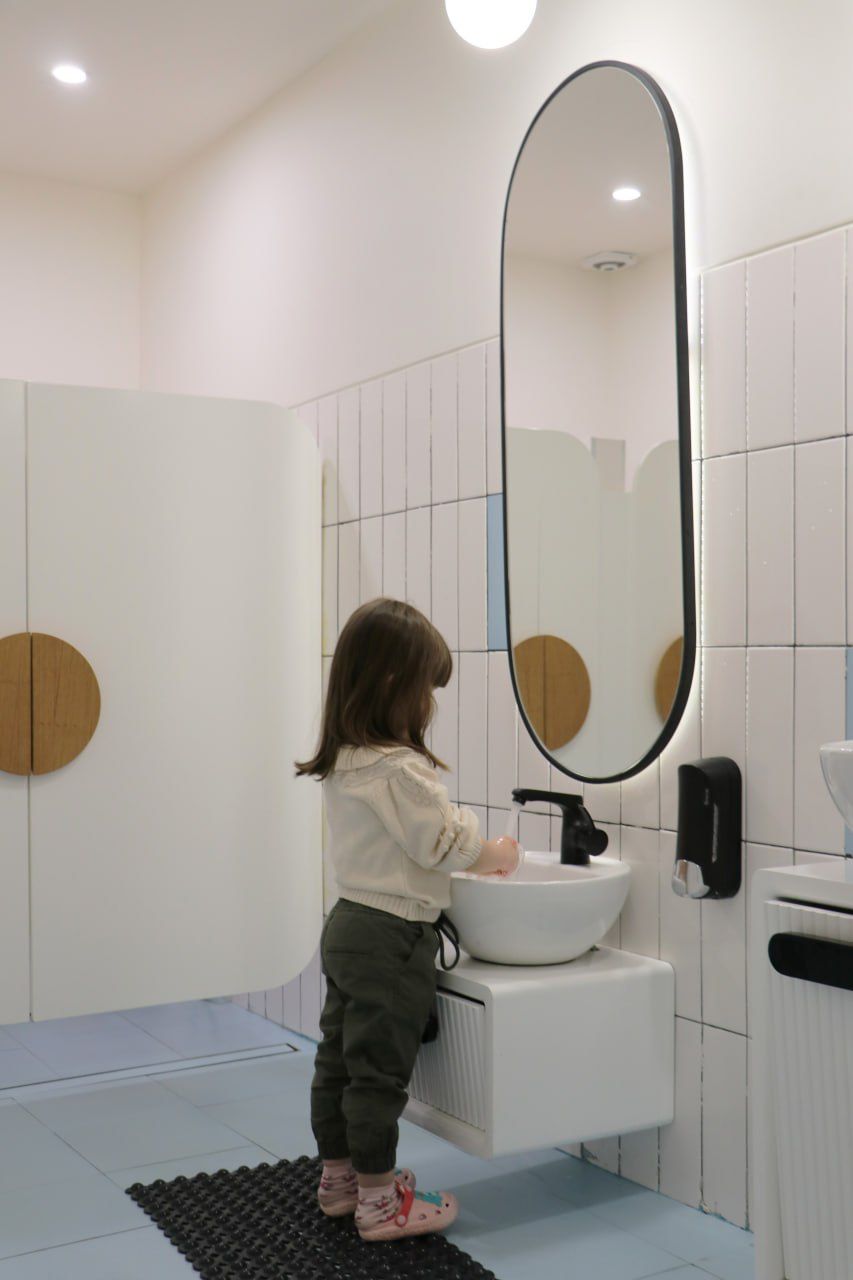
Can the child get what they need without an adult? Independence within reach.
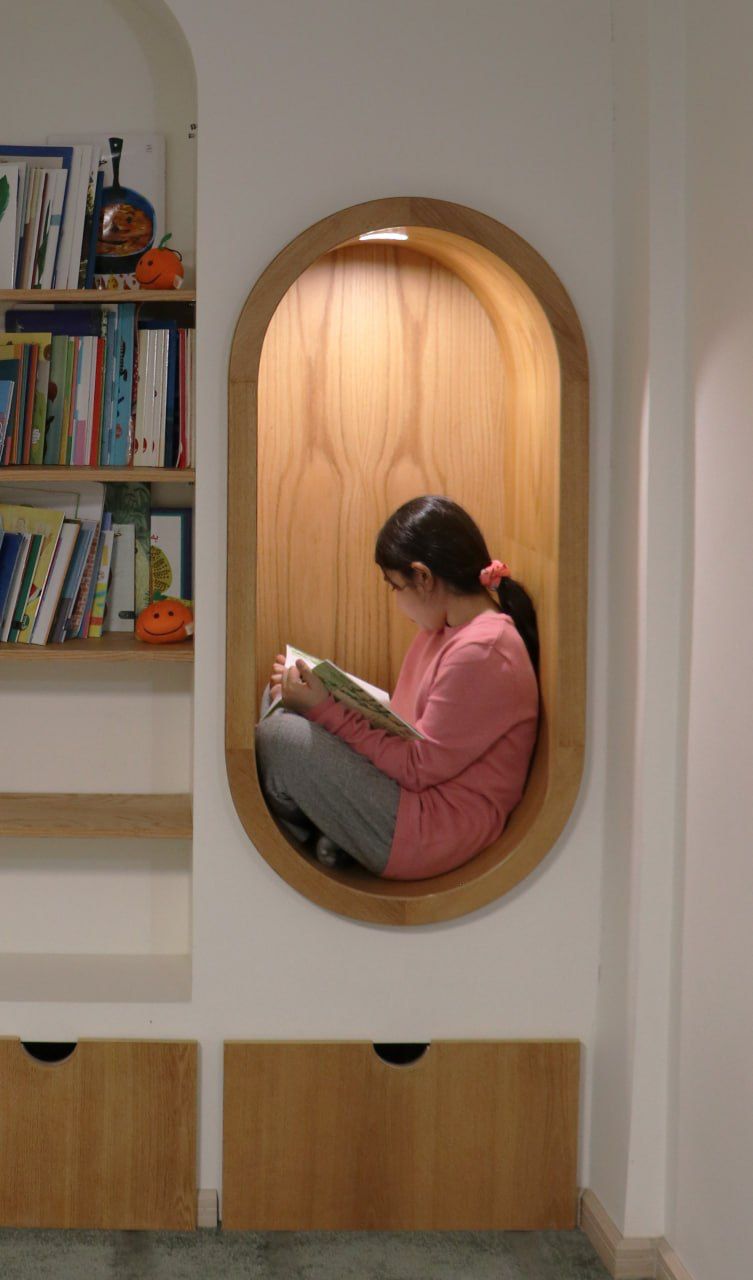
Is there somewhere quiet to withdraw to? Corners, dens, low and unwatched places.
Can they build, sort, repeat, and leave things unfinished? Room for process and mess.
Does the space tell the child it is theirs, or that they're a guest in an adult's design?
A child's room is never just a room, and a child's space is never just their room.
A child's-eye reading of a room, or a deeper consultation for a home you're designing, reorganising, or moving into.
See servicesChild-responsive environment reviews and child-led evaluations of how your space actually serves the children in it.
See servicesThe child-experience voice on developments, hotels, museums, and public spaces, so they work for children, not just look good in renders.
For organisationsYou can start small, read one room, and go further only if it helps. Every piece of advice is grounded in research and in years of standing in real rooms with real children.
A remote, child's-eye read of a single room. You send photos and answer a few short questions; you receive a written, keepable report you can return to and act on at your own pace. No visit, anywhere in the world.
Book your Room ReadA short, friendly introduction. We talk through your space and what you're hoping for, light advice, and a natural way to see whether deeper support would help.
Book a Spark CallOne room, a few photos, three things to change. The simplest way to get a child-responsive eye on a space without a full report.
EnquireA live video call where you tour the space together and we rework it in real time, moving, removing, and rethinking as we go.
EnquireA call, a full written plan, material and layout recommendations, and follow-up, for families ready to properly rethink a room or a whole home.
EnquireA full child-responsive audit of your setting, layout, atmosphere, materials, and what the space asks of children and adults, with a written report and clear priorities. Grounded in Froebelian principles and current research. Remote or in person.
EnquireThe children tell us how the space works for them. Using child-led methods from my research, I make their perspective visible and translate it into practical changes, evidence most settings have never had.
EnquireEducator training on learning environments and the Five Lives, practical professional development drawn from years of practice and from Doran.
EnquireOngoing advisory for a nursery reworking its space over time, a child-responsive eye on every change, season by season.
EnquireBrought in early, alongside your architects and designers, to shape children's spaces from the master-plan stage, when change is still cheap.
Start a conversationA child-centred review of proposed or existing schemes, malls, residential communities, resorts, against how children actually move, play, rest, and belong.
Start a conversationOnce a space is built and open, an observation-based, research-informed assessment of whether it genuinely works for children, and what to improve.
Start a conversationFor hotels, resorts, and leisure operators wanting credible, meaningful children's spaces, not token play corners.
Start a conversationChild-experience design for parks, plazas, waterfronts, cultural districts, and family entertainment venues, so public space genuinely belongs to children, not only adults passing through it.
Start a conversationFor governments, municipalities, and cultural authorities: interactive, research-informed events and installations that put children at the centre of public life, and gather their perspective on the spaces being built for them.
Start a conversationAll developer, civic, and institutional work is scoped and priced per project, by enquiry. More for organisations →
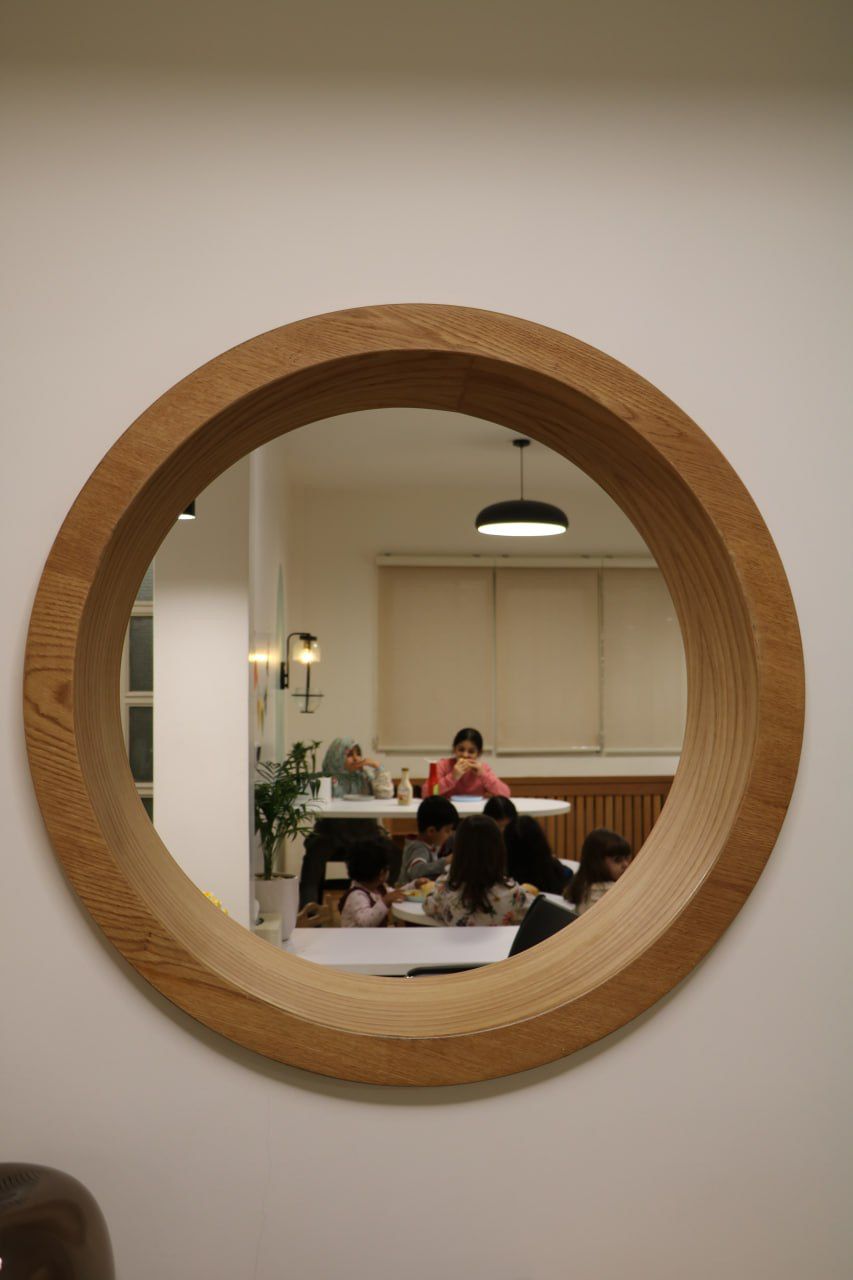
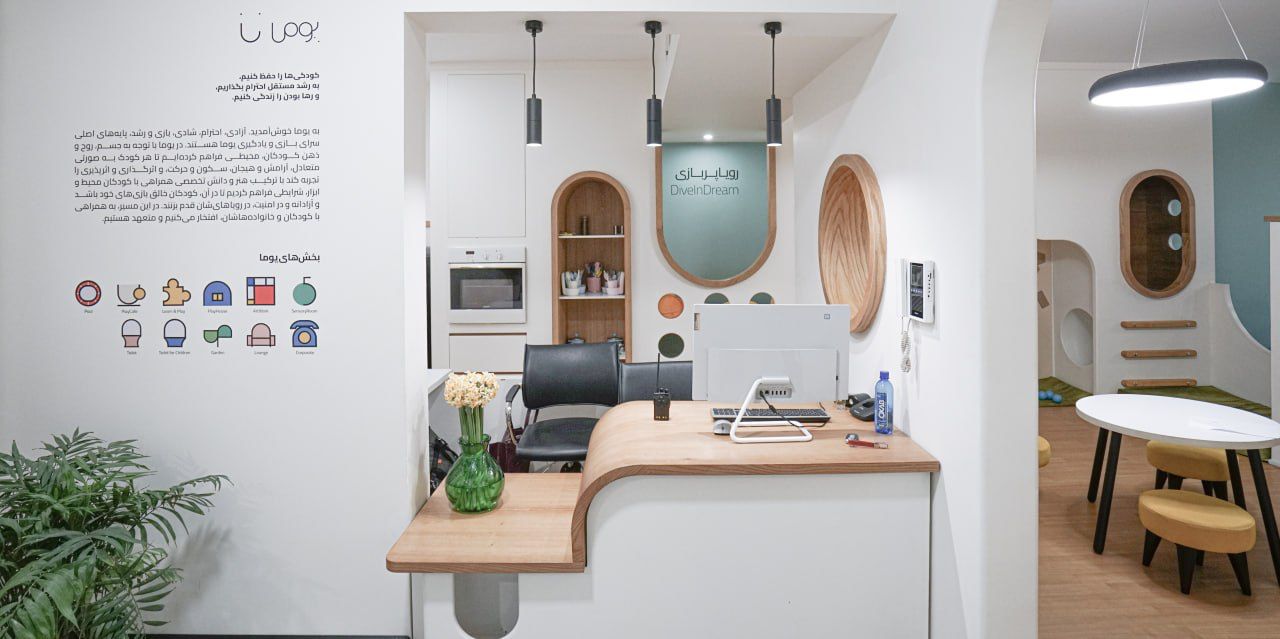
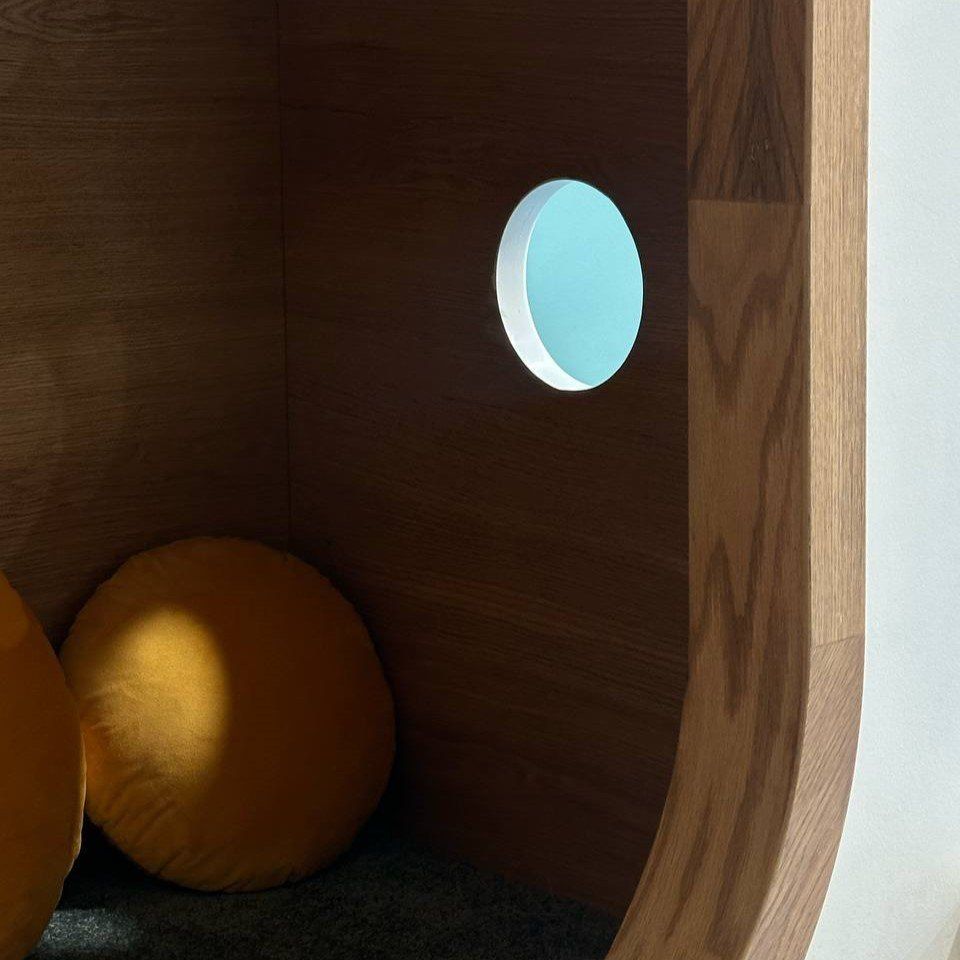
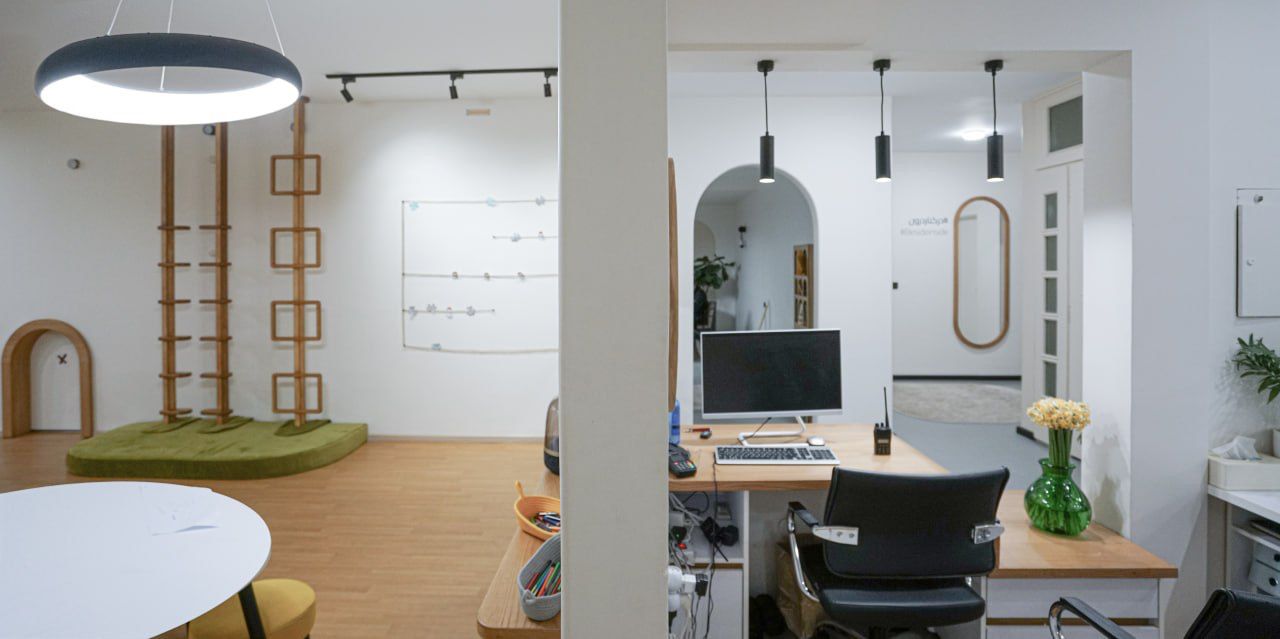
A selection of children's environments, designed and developed around how a child's body and day actually use a space. No styled showrooms; the child's-eye view, the way the work is meant to be seen.
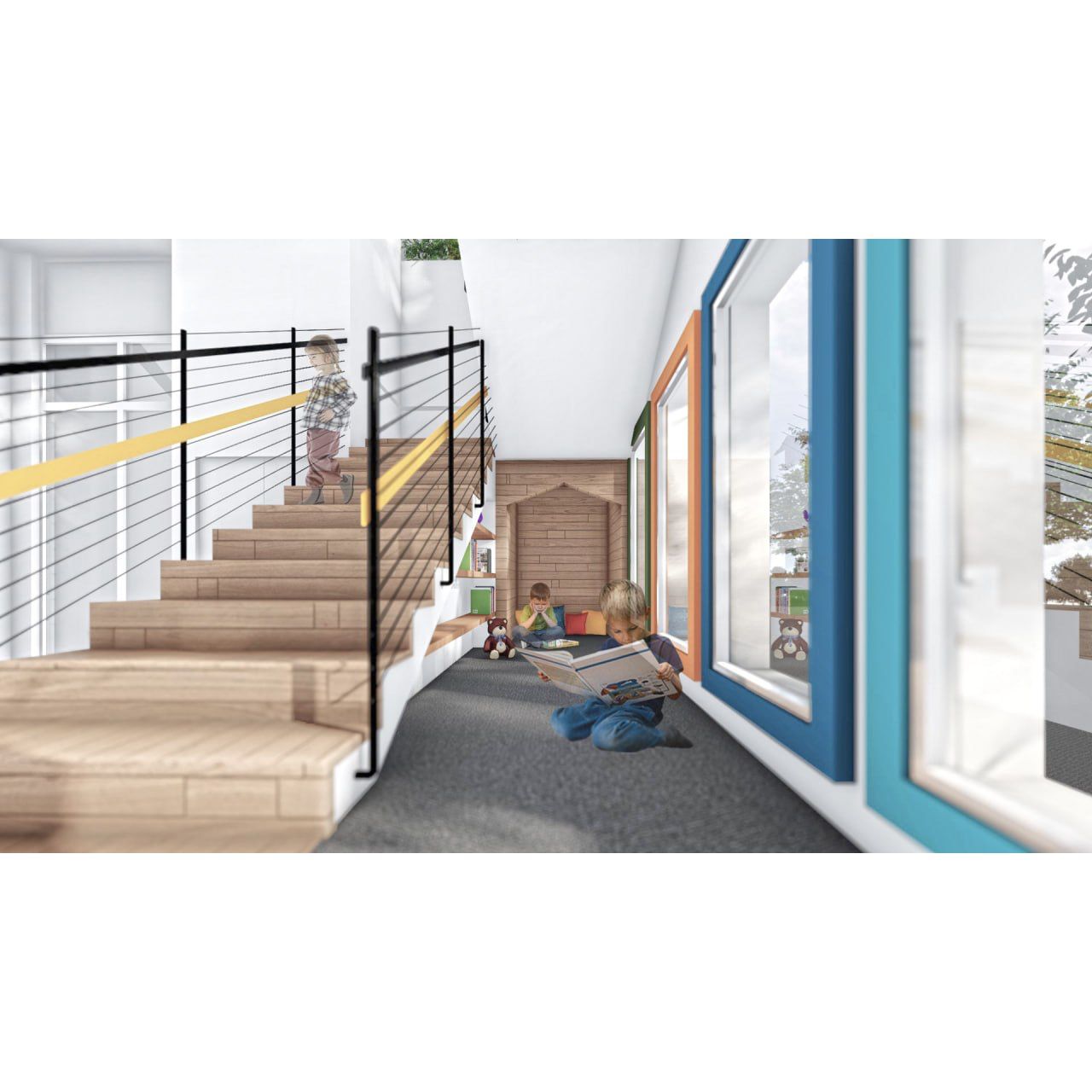
A place to withdraw and read
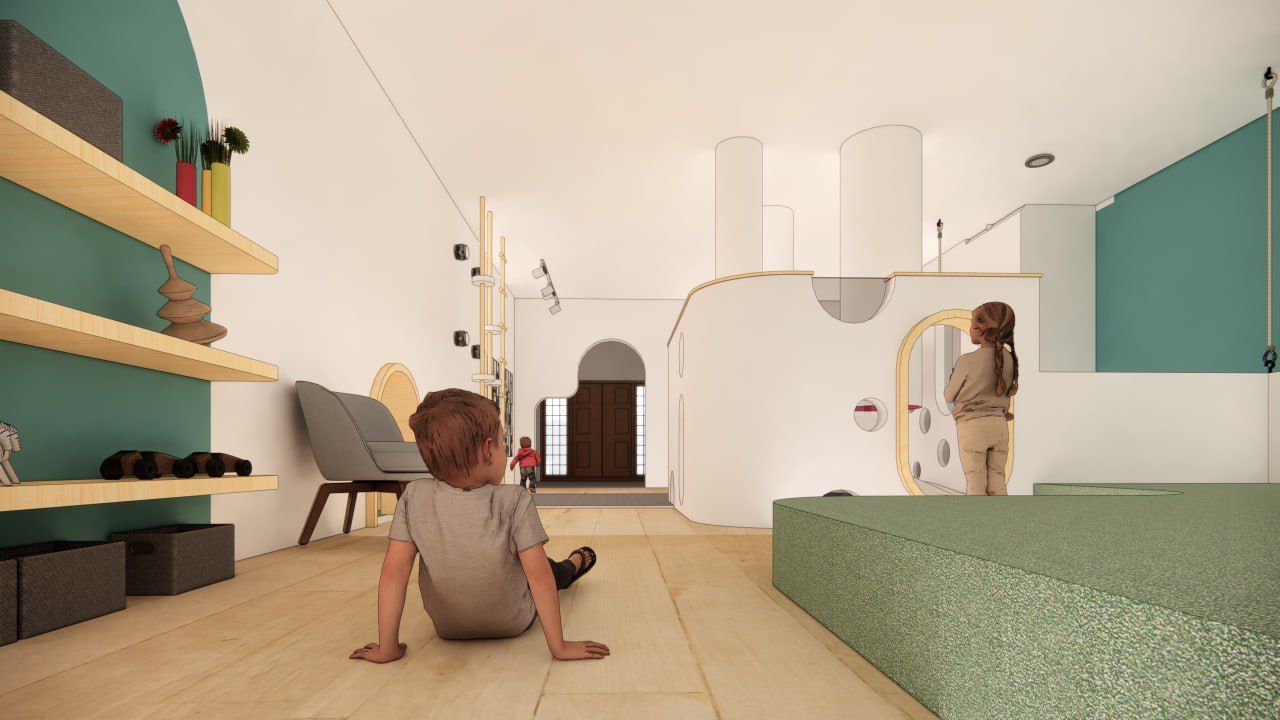
Room for the body, not just the furniture
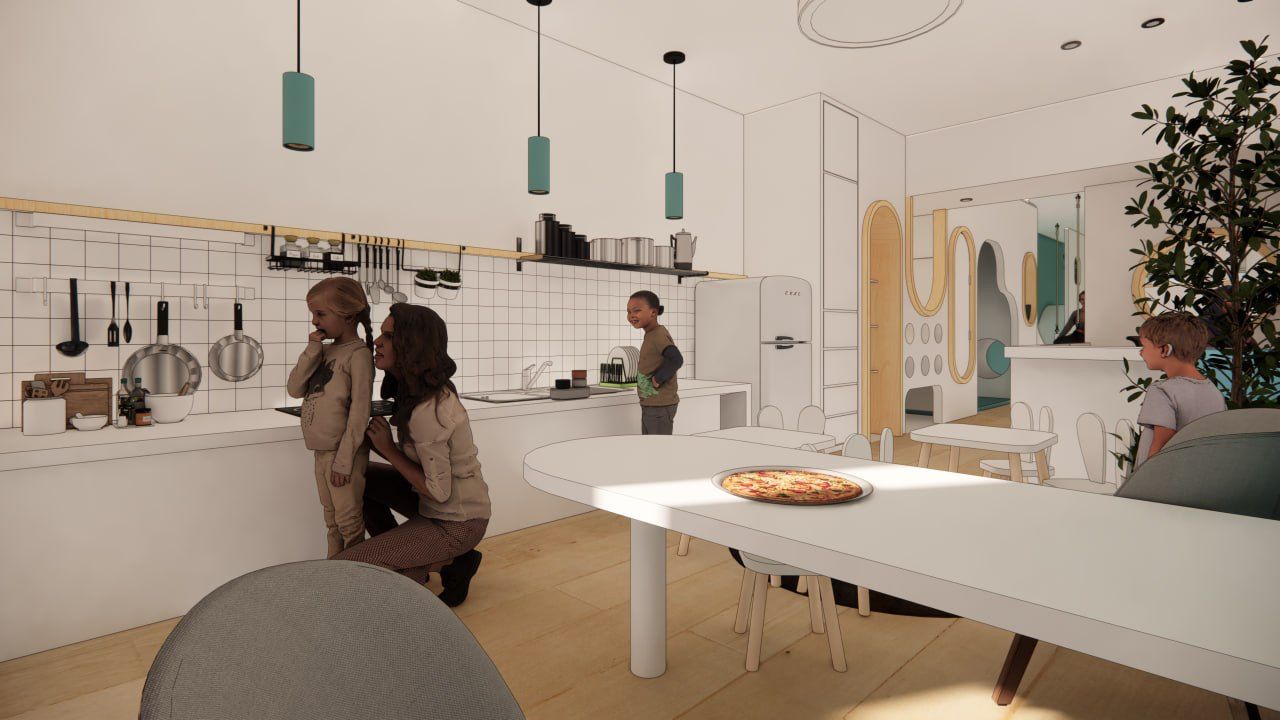
Independence, designed in
A window made for a child
Where children gather and belong
A threshold, not just a wall
Movement, within reach
Build, climb, repeat, transform
Movement built into the architecture
Reach without an adultA mix of completed spaces and design work. Project specifics shared on enquiry.

I study, and have spent fifteen years working inside, the spaces where children spend their days.
I'm completing a PhD in Early Childhood Education at the University of Edinburgh, on how children experience and shape their early-learning environments, and how their own views of those spaces can be made visible and taken seriously. I'm a Froebelian practitioner-researcher, and I've worked in nurseries, classrooms, and homes across the UK, Europe, and the Middle East.
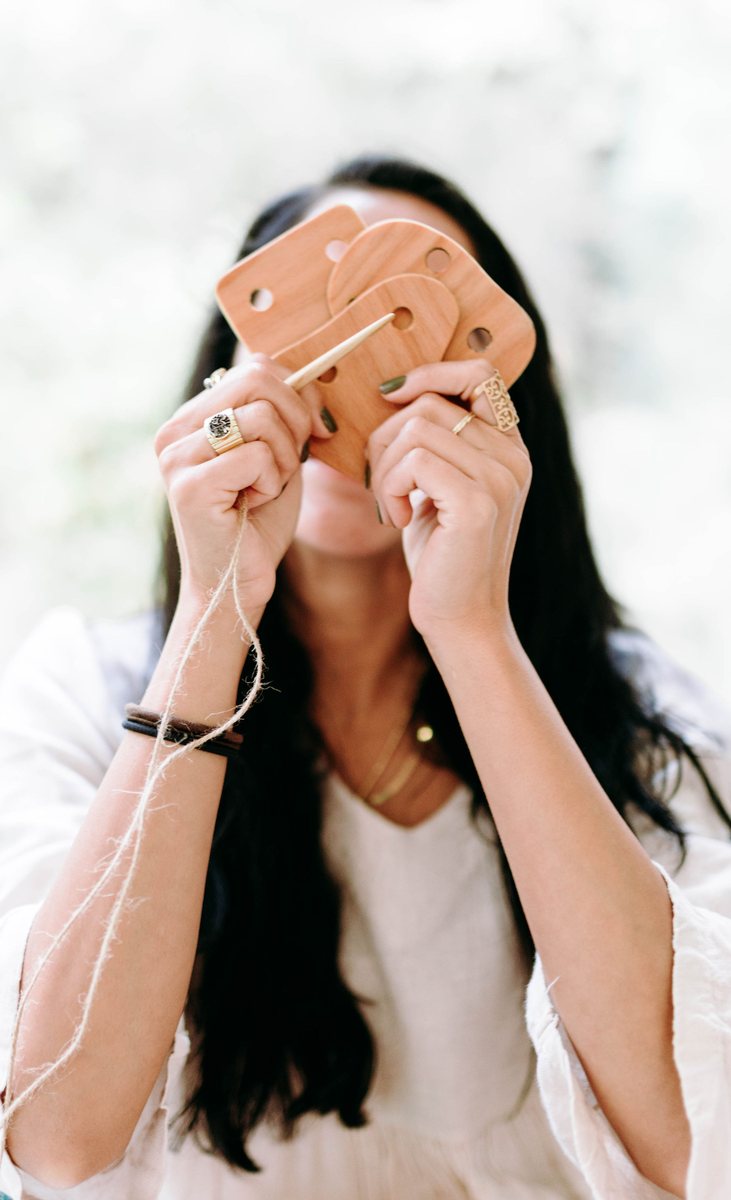
I've also designed real spaces alongside architects and families, and I founded OPlay, a range of open-ended wooden resources made by people who actually know children. Most advice about children's rooms starts with how they look. I start with the child, with the research, and with what I've watched children actually do in real rooms.
Practical, research-backed guides for reading a child's space, whether you have a whole room or a corner of the kitchen floor.

A short, printable guide to reading any child's space through five questions. The simplest place to begin.
Download free
A whole-home walk-through, because childhood doesn't happen in one room. Reading the doorway, the hallway, the kitchen, and the shared floor of family life.
Get this guideMore guides and a short journal are on the way. Join the list below to hear first.
The free Five Lives Checklist walks you through reading your own child's space, one question at a time. Sent straight to your inbox.
No spam. One thoughtful idea at a time. Unsubscribe whenever you like.
The same thinking shapes the materials I make. OPlay is a range of open-ended wooden resources, blocks, baskets, and loose parts, built to be played with in a hundred ways, not just one. The kind of materials the Five Lives points toward.

For nurseries, schools, developers, hotels, museums, governments, and public spaces. Children's environments are too often designed for adult eyes, or to meet a regulation, rather than for the children who live inside them. I bring early-childhood research and real practice into design decisions, so what you build doesn't just look right, it works for children.
Environment reviews and child-led evaluations of how your space actually serves children.
Reviewing plans before you build, when change is still cheap, and shaping children's spaces from concept.
Museums, family venues, hotels, and developments creating environments for children, especially across the UK and the Gulf.
Public and entertainment-space design, and child-centred interactive events for cities, municipalities, and cultural authorities.
Parents setting up or rethinking a child's room, educators and nursery teams, and designers or institutions creating spaces for children. Big or small, home or setting.
No. This isn't about expensive rooms, it's about thoughtful ones. Most of what I suggest costs little or nothing; it's about arrangement, not spending.
The Room Read and consultations work remotely from photos and video, so I can help wherever you are in the world. In-person and on-site work is available for settings and organisations by arrangement.
No. I'm a researcher and practitioner, not a stylist. I care about what a space lets a child do, move, rest, play, belong, not just how it photographs.
It's my practitioner framework, grounded in Froebelian and spatial research, a way of reading a room from the child's body and day rather than the adult's taste. It's the lens behind every Room Read, review, and conversation.
A room at home, a setting, or a project, and what you're hoping it could be. I read every message myself.
Prefer email? hello@thechildhoodspace.com
Instagram: @thechildhoodspace
I usually reply within a few working days.